
How To Keep Sick Kids Hydrated (Without Losing Your Mind)

When our children are sick, it can feel like everything grinds to a halt: they’re droopy on the couch, not eating, not drinking, and we’re anxiously counting hours since the last wet diaper. You don’t need another thing to stress about; you need simple ways to get fluids in without fights, bribes, or fluorescent “sports drinks.”
This is for you if your child is somewhere between toddler and elementary school—old enough to be drinking out of a cup, but still young enough to need a bit of coaching when they’re sick—and you’re dealing with those “everyday family illnesses”: colds, flu, fevers, tummy bugs with vomiting or diarrhea.
Think sips, not cups
When kids are sick, their job is to rest; our job is to offer. Not pressure (as much as we’re feeling it); just steady, calm offerings.
Aim for frequent tiny sips, not big cups chugged all at once.
Fluids matter more than food at first, it’s normal for their appetite to drop.
Keep your tone gentle and matter of fact: “Here’s your next sip, honey,” instead of “You have to drink this up.”
Tiny and often will add up much better than one big battle over a full cup.
If your kid is resistant to sipping fluids, sometimes food can do some of the work.
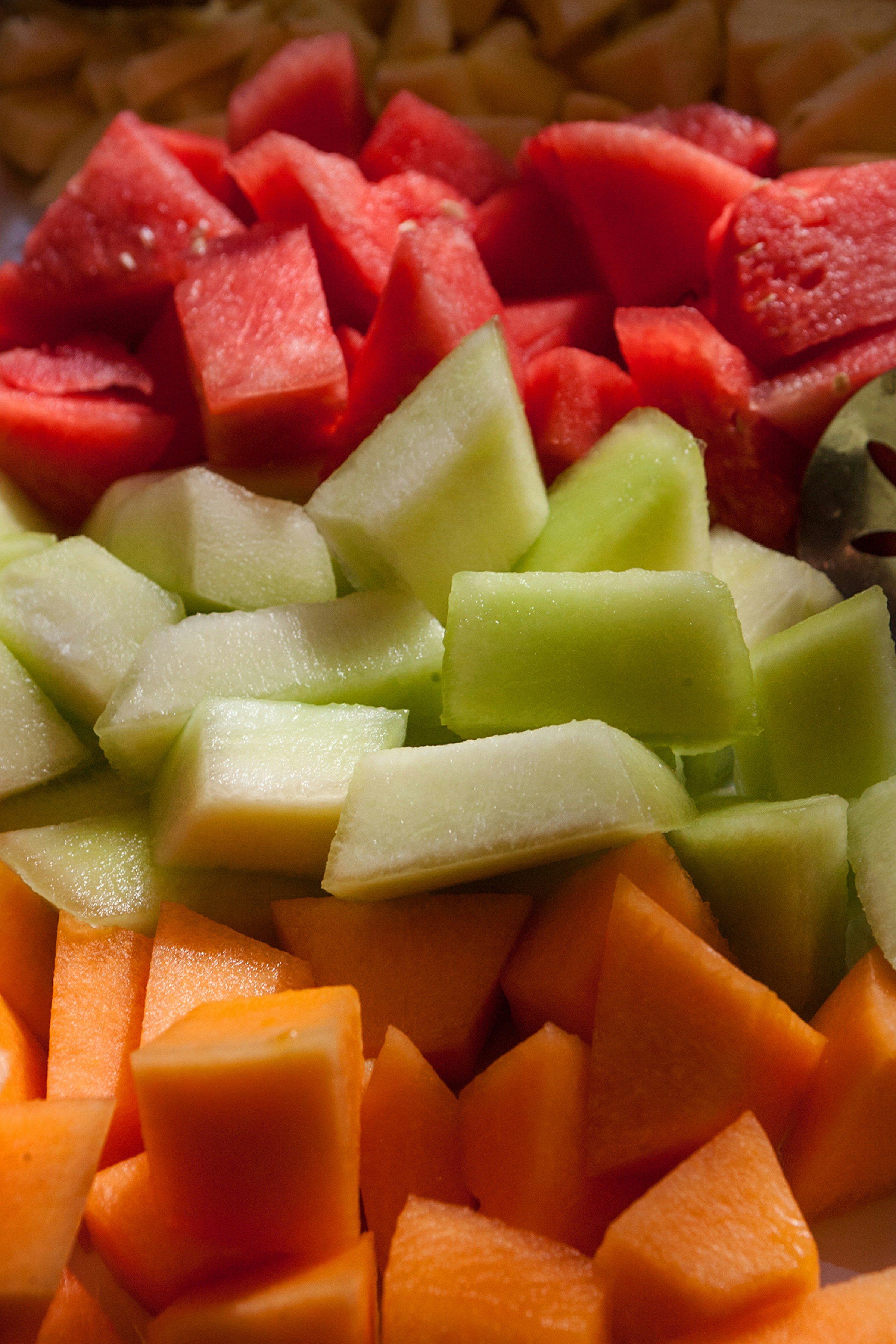
If your kid is resistant to sipping fluids, sometimes food can do some of the work.
Juicy fruits - melon, oranges, grapes, and cucumbers.
Simple “Sick Day Jello”: a homemade gelatin with decent ingredients instead of neon store mixes. Here’s my yummy “Elderberry Jello” recipe.
Offer small, fun portions - a few chunks of melon on a toothpick, Jello cut with cookie-cutter shapes, a plate of sliced cucumbers sprinkled with Celtic salt. Think “snacky,” not “meal.”
Broths, teas, and a special straw
Warm liquids can be magical when throats are sore or tummies are touchy.
Herbal teas:
Red raspberry with honey (like pregnancy or NORA-style tea) is gentle, helpfully astringent, and immune-boosting.
Chamomile is soothing to digestion and helps relax a tense little body.
Broths: simple bone broth or egg-drop soup with good Celtic salt brings both fluids and minerals.
And then there’s your secret weapon: the special sick-day straw or cup. It might be:
A fancy glass straw
A silly animal cup
Some inherited piece of grandma’s dishware rich in stories
When the container feels special, kids often stop clamping their lips shut and start sipping.
A real-life “tiny bunny sip” story
One mom, Laura, had a 3-year-old with a stubborn tummy bug. Her daughter’s throat hurt, she didn’t want to drink anything, and she hadn’t peed since the night before. She was hoarse; not her usual self but still alert.
Laura pulled out the “Getting Fluids into Kids” ideas from my Get Well Soon course and chose one: their special glass straw and a favorite storybook. Every time the bunny appeared in the story, she offered her daughter “a tiny bunny sip.” No drama or pleading—just story, snuggles, and tiny sips.
By the end of the second story, her daughter finally peed. Laura later wrote that she normally would have been told to go sit in urgent care for hours and then got sent home with Pedialyte. This time she felt calm, prepared, and genuinely empowered. That’s what you deserve too.
When it’s time to expand your toolbox
There are times when it’s important to get extra eyes on your kiddos because additional tools might be in order to help them stay stable or begin moving towards recovery. Check in with your trusted provider or seek help if:
There’s been a LOT of fluid loss from vomiting or diarrhea
There are parched lips and a very dry mouth that aren’t responding to oral fluids
Their urine is dark, pungent-smelling, and infrequent (especially if for more than a day)
Any of these are combined with your child acting notably “off,” or you are just too worried to relax about their illness.
In infants, watch especially for:
A sunken soft spot (fontanelle)
A raspy or hoarse cry
Fewer wet diapers than usual for more than a day or along with one of the other signs.
And always trust your gut. If you’re fundamentally uneasy, at least start by calling your most experienced mom friend.
What’s in your natural toolbox (or not)
It’s easy to weave in natural remedies alongside fluids and rest. One simple tool many holistic families use when there’s been a lot of fluid loss is Bioplasma (a combination of cell salts) as a gentle support for overall recovery and mineral balance.
It’s safe for all ages when used as directed (including infants and pregnant mamas), dissolves easily in the mouth (usually without triggering any more vomiting), and has a tasty, sweet flavor. Bioplasma is a gentle, foundational ally that can help stabilize your kiddo while you focus on sips, cuddles, and sleep.
What to skip (sorry, neon bottles). It really does matter what they drink. Most commercial “electrolyte” drinks and sports drinks are loaded with artificial colors, flavors, and sweeteners—extra work for a little body that’s already busy fighting off a bug. Instead, lean into filtered water, brothy soups, herbal teas, natural-ingredient popsicles, and juicy fruits and veggies. It’s not “too picky” to avoid bright-blue sugar water; it’s a proactive choice to support your kiddo so they can use their energy to heal, not detox.
Rest and nervous systems count too Hydration isn’t just a physical thing; it’s also a nervous system thing. Sick kids do better when:
The house slows down a little
A parent can sit, cuddle, and offer steady presence (I know, this might be the hardest thing! Do what you can…)
They’re not rushed back into normal life before their body and health are ready.

This can be your excuse to drop your own pace too: fewer to-dos, more blankets and stories. When things slow down, kids usually drink better, sleep deeper, and heal faster.
Bringing back generational wisdom
Our great-grandmothers didn’t have cartoon-branded sports drinks. They had broths on the stove, herbal teas, simple juices, and juicy fruits. Motherhood becomes a calmer, better resourced, and much more fun experience when we reclaim that kind of practical, grounded care. It’s not “doing nothing” when you offer broth, tea, Jello, and tiny sips with a silly straw—you’re rebuilding generational wisdom in your own kitchen. Everyday family illnesses offer a chance to grow your confidence while the problems are still small, making it less likely that your family will end up in crisis later on.
As little ones build their immune systems, we lamentably will have plenty of opportunities to build our confidence and natural toolbox for handling these everyday family illnesses. When your kids are sick, don’t be afraid to trust your instincts and ignore the brisk “iPhone time” of the everyday world. As odd as it sounds, sweet family memories can be made in the recovery season too!
