
Nourishing Winter Meals for Pregnancy & Immunity

The winter season brings with it an old, deep impulse to go dormant and hibernate, especially for pregnant and postpartum mothers whose bodies are already doing extra work. We can work with these seasonal rhythms by nourishing ourselves and our families with yummy seasonal foods that truly rebuild rather than deplete.
While spring and summer are active times for movement and cleansing (at least here in the Northern Hemisphere) – think salads, watermelons, cucumbers and cold soups – winter calls for foods that warm, nourish and mineralize our bodies, such as soups, stews, dense foods and baked goods. For women growing or feeding babies, this “rebuilding phase” is especially important; your mineral and protein stores are what baby draws from first.
“In winter, the body’s real work is rebuilding: nourishing foods that quietly build, replenish, and remineralize. It’s not the time to emphasize “cleanses” or restriction.”
It has been said that if protein (amino acids) are the building blocks of a healthy body, minerals are the grid and are responsible for the structure of the body at every level. So lovely cold‑weather recipes will not only bring beautiful colors to lift winter spirits, but will also nourish deeply during this rebuilding phase with flavors and minerals that warm the belly and assist cold‑weather digestion. Winter’s work is rebuilding—especially when you’re pregnant, recovering from birth, or breastfeeding.
Foods that are “in season” locally tend to have the components that especially support the body through that local climate and season. Here in Michigan this means roots that would be stored during cold (hopefully not too long!) winters. Look for recipes that include your favorites among these top ingredients:
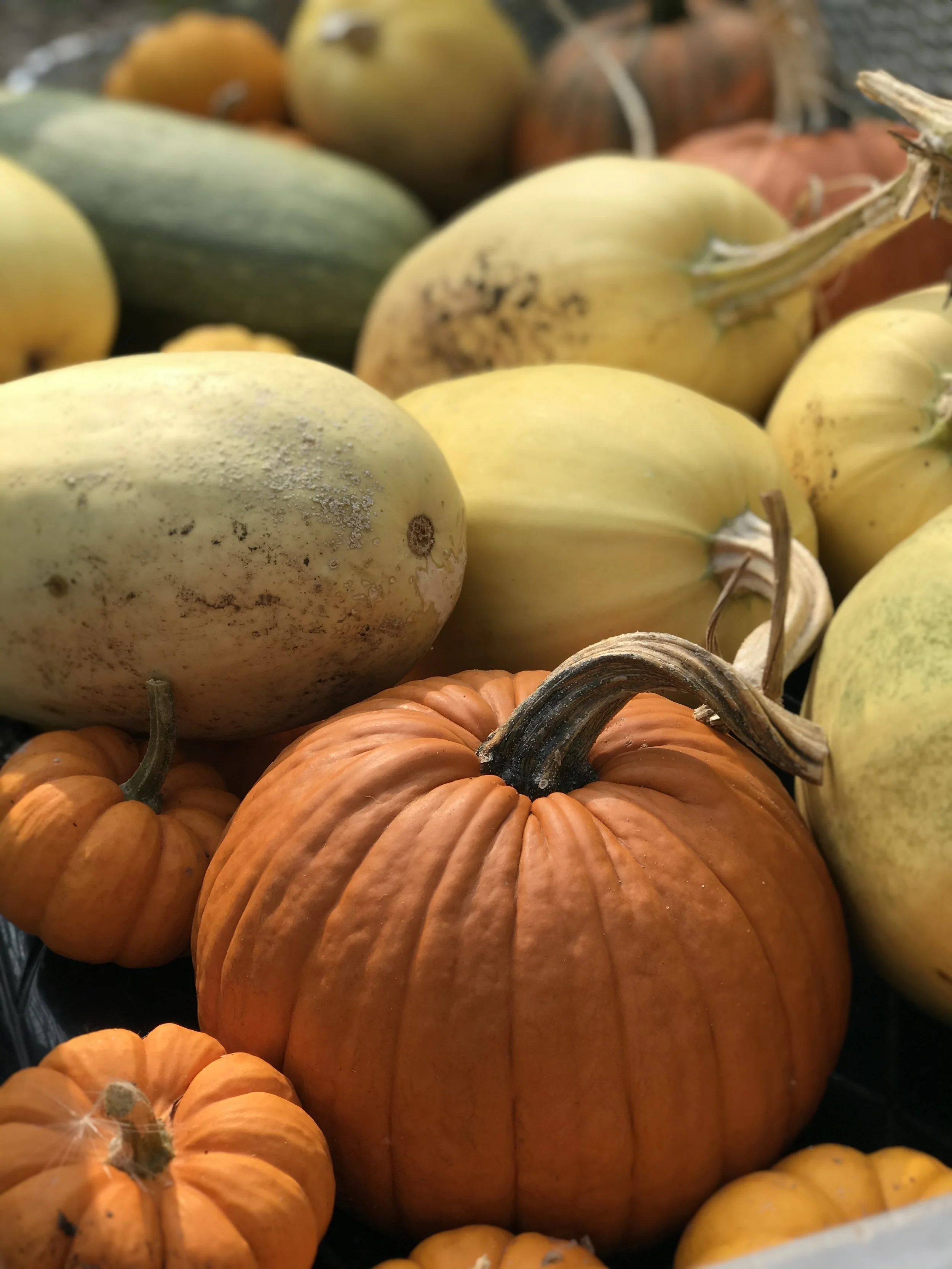
Winter squashes & root vegetables,
Such as pumpkin, butternut, acorn, Hubbard, carrots, sweet potatoes, & yams. Orange & yellow vegetables are especially rich in beta-carotene, a pre-formed vitamin A.
Vitamin A is essential for proper immune function and respiratory health, and has often been found to be deficient in people that suffer from repeated sinus and respiratory infections.
The body can manufacture vitamin A when it’s supplied with ample amounts of beta‑carotene rich foods, healthy fats (including saturated) and lacto‑fermented foods (containing healthy bacteria or probiotics). Vitamin A is one of the quiet, behind‑the‑scenes nutrients that helps keep the linings of the nose, throat, and lungs resilient in winter, which is why low levels often show up as recurrent colds, sinus issues, or lingering coughs. For most women, including pregnant women, the safest and most reliable way to get enough vitamin A is through real foods like egg yolks, grass‑fed butter, cod liver oil, and small, regular servings of liver rather than high‑dose isolated supplements.
Thoughtful nutritionists such as Lily Nichols highlight that modest weekly portions of liver (for example, a few ounces once or twice a week) stay within conservative safety limits in pregnancy while supporting baby’s organ development and mom’s immune system, especially when paired with vitamins D and K2 from other whole foods. For a calm, food‑as‑medicine approach in winter, emphasizing colorful beta‑carotene‑rich roots alongside these traditional animal sources lets moms build vitamin A stores steadily without having to micromanage supplement doses.
People that find themselves consistently sick in the winter may also want to consider indulging in fermented cod liver oil and organic grass‑fed liver, two food sources especially rich in bio‑available vitamin A. If you’re a mama looking for additional ways to support your family through the everyday illness like coughs, flus and fevers, my Get Well Soon course has a fantastic manual.
Healthy fats feed our brains and support healthy immune systems.
Consider healthy fats such as nuts, cold‑pressed flax seed oil, sesame oil, olive oil, coconut oil & full‑fat coconut milk, fermented cod liver oil, avocado, butter, wild-caught fish such as salmon, and for those that eat meat, grass‑fed beef, tallow, & lard. Yes, really! These same healthy fats are also key building blocks for baby’s brain and nervous system, making winter a beautiful time to lean into nutrient‑dense comfort foods and lavish amounts of healthy fats.
Broths. Make them simply with a crockpot full of water, quality sea salt, and lots of Sulphur‑containing vegetables such as onions & garlic; their heat mellows to a rich broth with simmering. (If you’re ready to take your family’s health to the next level, here’s my blog why purified water matters, and makes even better broth!) This food may also help your family members with winter skin problems such as eczema, as this naturally occurring Sulphur helps to keep oils circulating through the body and the skin hydrated.
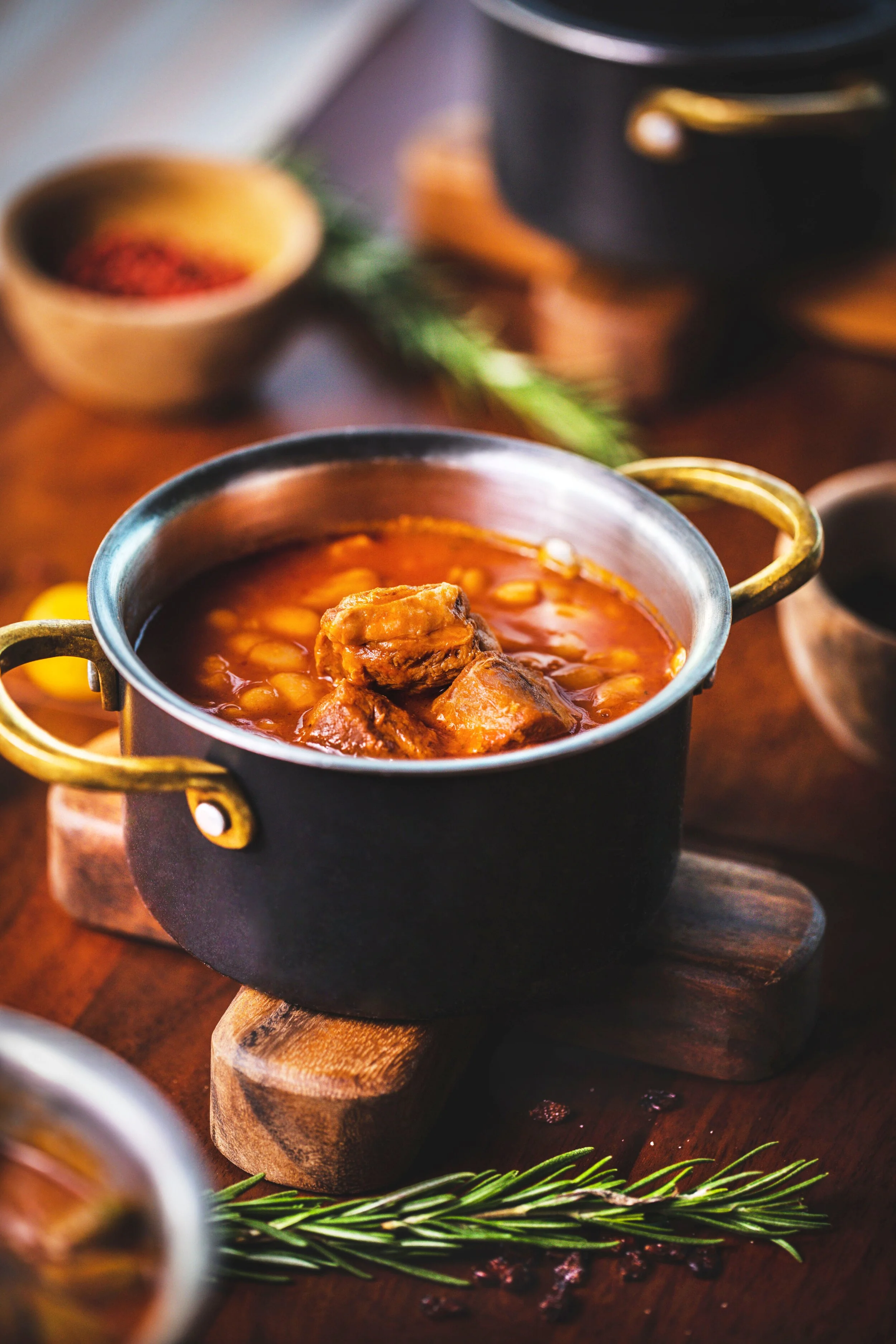
One true traditional ‘super food’ is bone broth, beef, fish, or chicken.
A nutrient‑dense & delicious broth can be made with an inexpensive beef cut, such as ox‑tails, which are available from your local pastured farm source. Bone broth can be a soothing “anytime food” in pregnancy and postpartum, offering collagen, minerals, and gentle protein for stretching tissues, gut health, and milk production.
Warming spices, such as ginger, garlic, turmeric, cinnamon, cardamom, & red pepper ‘heat us up’ and supports healthy winter digestion & absorption.
Enhance soups with a small addition such as:
A strip of kelp- Seaweed is rich in natural iodine which supports thyroid function, breast health, metabolism and bone growth.
A strip of Astragalus root - Contains very strong anti-viral properties, remove this immune supporting herb before serving.
A bunch of parsley- Chopped in, or simmered in as a bunch in the last 10 minutes of cooking and removed before serving.
Good salt- Ideally unrefined salt such as Celtic (any brand) or ‘Redmonds Real Salt’, which provide essential trace minerals.
Burdock root- Chopped small in stews, this supports healthy liver, gall bladder & skin function.
A tbsp of quality gelatin- Good for hair, skin and joints, and a gentle way to support connective tissue during and after pregnancy.
Even the act of cooking these simmering meals can bring their own aspect of joy and healing. As the house fills with delicious tempting aromas, our physical health is enhanced when our digestive enzymes have time to get ready as our “mouths’ water,” and our heart & memories are warmed. Enjoy some experimenting this winter!
A note for pregnant & postpartum mom
This season of soups, stews, roots, broths, and healthy fats is not indulgent—it is essential for a body growing, birthing, or feeding a baby. Warm, mineral‑dense foods help replenish iron, collagen, and electrolytes, support your immune system, and give your microbiome what it needs to pass resilience on to your baby.
Even the act of cooking these simmering meals can have its own kind of medicine. As the house fills with rich, tempting aromas and our mouths start to water, digestion quietly wakes up, memories stir, and the whole mood of the home softens. This is one simple way to keep tending yourself in the middle of tending everyone else—through pregnancy, those bleary postpartum weeks, and the long stretch of winter.
Original version published as ‘Deeply Nourishing Meals & Seasonal Eating’ in The Crazy Wisdom Journal, Ann Arbor, Michigan.